The Ontario government has unveiled a revised plan to consolidate conservation authorities, sparking fresh discussion and concern among municipalities and stakeholders.
Under the updated proposal, the province plans to reduce 36 conservation authorities into nine larger regional agencies. This marks a shift from an earlier version of the plan, which proposed just seven consolidated bodies.
While the government says the changes aim to improve efficiency, they are also raising new questions—particularly around governance and local representation.
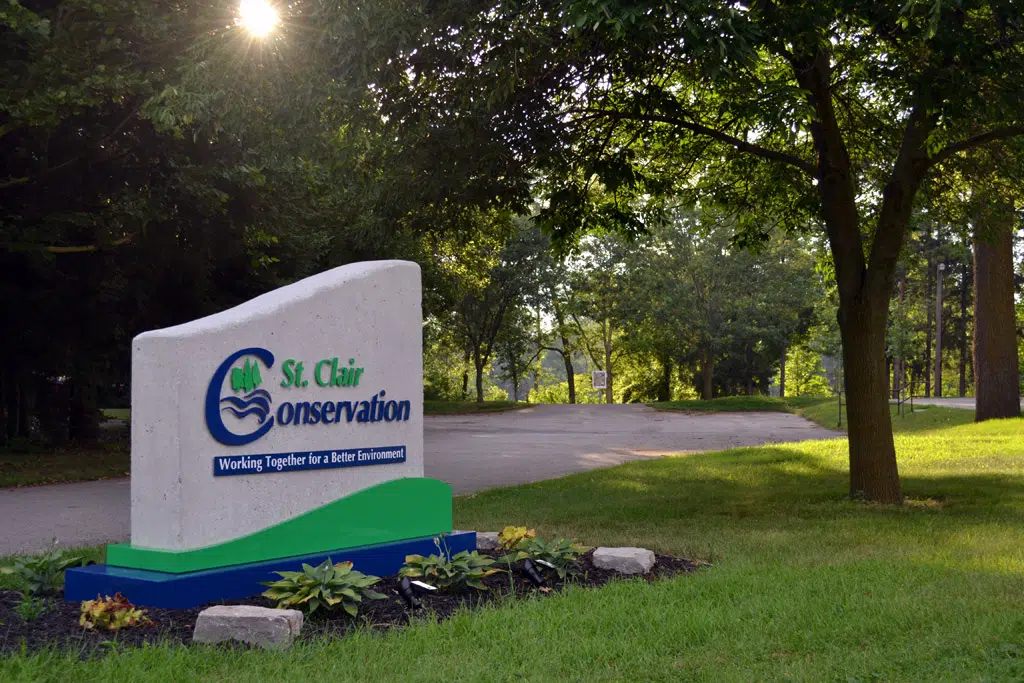
One of the most notable impacts is on the St. Clair Region Conservation Authority (SCRCA). The SCRCA is now set to join three others—Essex Region, Lower Thames Valley, and Upper Thames River conservation authorities—to form the newly named Western Lake Erie Regional Conservation Authority. This is a smaller grouping than initially proposed, which would have combined eight authorities.
Despite that adjustment, concerns remain. SCRCA General Manager Ken Phillips has pointed to representation as a key issue. The current SCRCA board includes 20 members, but the new regional board is expected to have between 15 and 20. That raises uncertainty about how many seats will be available for rural and local representatives within the larger structure.
The province has stated the consolidation will not result in job losses, but questions persist about how that commitment will be upheld as organizations merge and roles potentially shift.
Next steps are approaching quickly. The Ontario government is expected to introduce legislation by the end of March, with the consolidation process potentially beginning as early as May. If approved, the full transition to the new regional model is targeted for completion in early 2027.
As details continue to emerge, municipalities and conservation authorities alike will be watching closely to see how the plan balances efficiency with local representation and environmental stewardship.
Written by: C. Soares